
an astro-chat with
Professor Don Kurtz
Honorary Professor, University of Lincoln, UK
Thursday, 29 May 2025
7:00-8:00 pm
Live online
Book a place
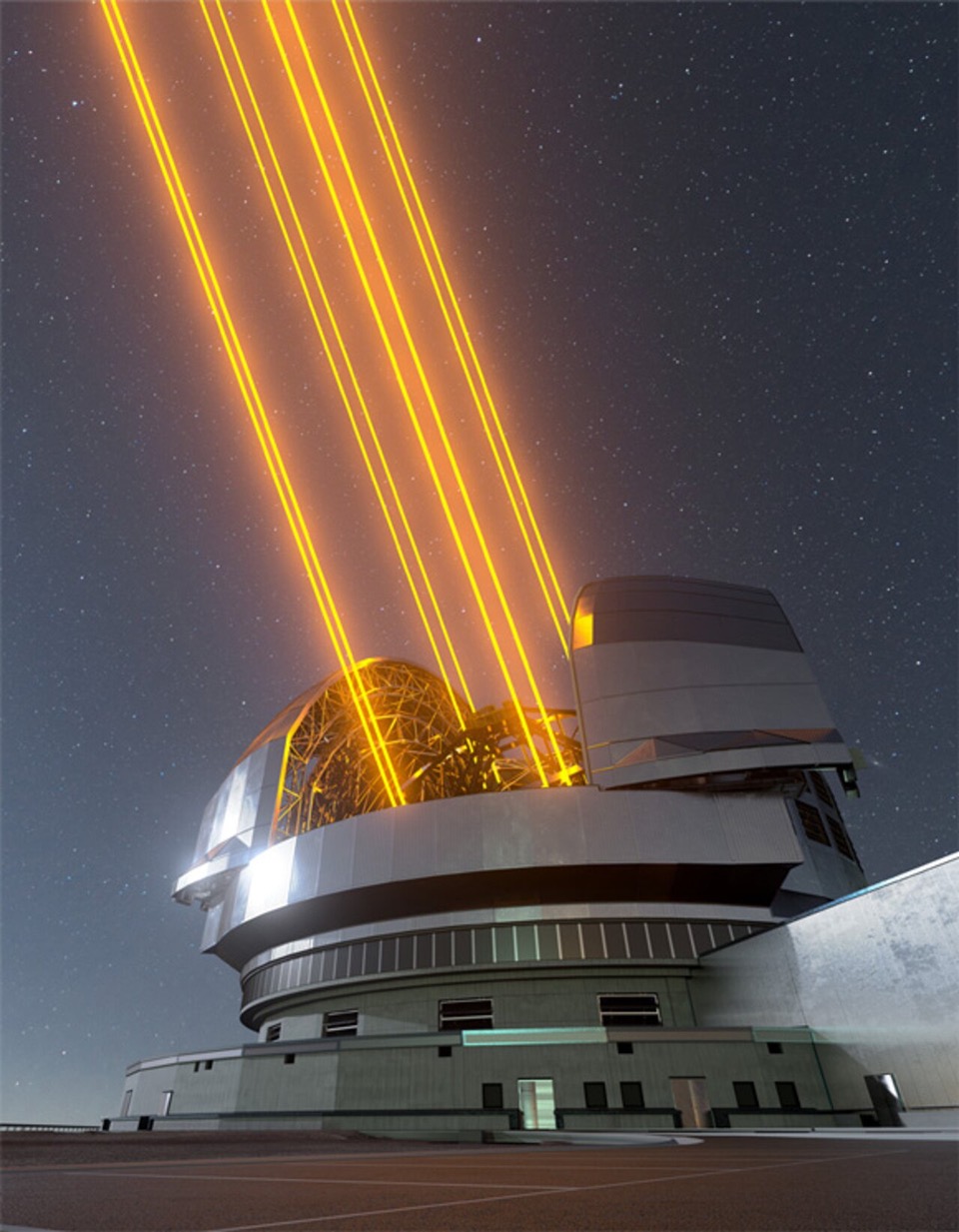
When Galileo first turned a tiny telescope on the sky in 1609, the human view of the universe was changed forever. Over the following centuries astronomers built bigger telescopes, until for most of the 20th century two large telescopes led in optical astronomical discovery: the 2.5-m (“100-inch”) Hooker Telescope and the 5-m (“200-inch”) Hale Telescope – both in Southern California. Then, in the last 30 years, new technology has led to a plethora of telescopes with 8 to 10-m diameter mirrors that have sprouted on remote mountains. The biggest of all is the enormous 39-m European Extremely Large Telescope (ELT) now under construction in Chile at a cost €1.5 billion. This lecture will look at how optical telescopes work, the people who built them, and some of their mind-boggling discoveries. New technology has now revolutionised their construction, operation and scientific abilities. The latest telescopes are among the most sophisticated machines ever imagined and built.
This is our 21st Astro-Chat with our distinguished guest Professor Don Kurtz. The session will include an illustrated introduction followed by questions and answers. Members of the public will be able to ask questions in the live-chat. The event is hosted by Professor Andrei Zvelindovsky at the University of Lincoln, UK.
 Science views
One thought on “Astro-Chat: Big Glass: The Giant Telescopes”